The Financial Cost of Burnout: Why Rest is an Investment
Let's get straight to it. You probably see 'rest' as downtime. An absence of work. An empty space on the calendar you feel guilty about. But what if you're looking at it backwards? That blank space isn't a void; it's the foundation everything else is built on. We talk about infrastructure costs for a business—servers, software, real estate. Your brain and body are the infrastructure for your entire financial life. And when that foundation cracks, everything gets expensive. Fast.
How Burnout Picks Your Pocket

It's not just about feeling fried. Burnout is a financial liability with a direct line to your bank account. Think about it. Chronic exhaustion leads to dumb mistakes. Missed deadlines cost client trust. Brain fog kills innovation—you're just recycling old ideas. Your performance dips, and with it, goes your leverage for that raise or promotion. You become a maintenance cost to your company, not a growth asset. And then there's the healthcare tab. The stress-related doctor visits, the meds, the therapy co-pays. It adds up. That's your money, leaking out one sick day and one mediocre deliverable at a time.
The Hidden Cost of Career Short-Circuits
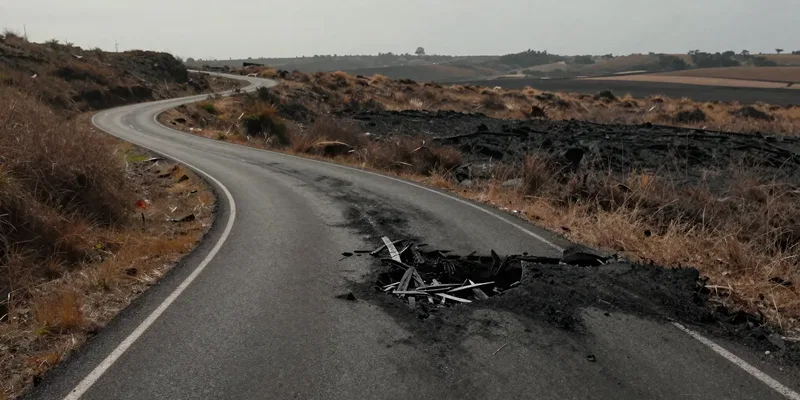
Here's the thing everyone misses. The biggest financial hit isn't this quarter's bonus. It's the compounding interest of a shorter, less potent career. You're sprinting a marathon. You might be ahead at mile 10, but you'll be crawling by mile 15, and you'll never see mile 26. The people who last, who rise to the top over decades, aren't the ones who burned white-hot for five years. They're the steady, resilient ones who managed their energy. They took the sabbatical, they enforced boundaries, they recharged. That's not weakness; it's strategic longevity. Over a 40-year career, that's millions in earnings potential you're gambling with by not resting.
Rest is Not a Refund. It's a Dividend.
Stop thinking of downtime as getting your money back. Start thinking of it as an investment that pays you back with interest. An hour of true disconnection isn't a loss. It's depositing focus into tomorrow. A weekend without emails isn't laziness. It's letting your subconscious solve the problem you've been wrestling with. A real vacation isn't an expense. It's a system reboot that returns you with better judgment, more creativity, and actual patience for your team. You invest in stocks for compound growth. Your capacity for deep work, clear thinking, and emotional regulation compounds too—but only if you invest the downtime.
So, What's the Actual Play?
This isn't about running to a spa. It's about ruthless prioritization of your cognitive capital. Block your calendar for deep work—and for doing nothing. Treat that block as an unbreakable meeting with your future self. Use your PTO, not as an emergency relief valve, but as scheduled maintenance. Turn off notifications after 6 PM. Seriously. The world will keep spinning. It feels radical because we've normalized self-sabotage. Your financial future isn't built in the 60th hour of the week. It's built in the clarity of the first hour after you've actually rested.
Your Bottom Line Depends on It
At the end of the day, you are a human being, not a human doing. Your earning power is tied to your being power—your ability to be present, insightful, and resilient. Protect that asset. Schedule rest like your financial security depends on it. Because it does.